
Jiangsu Changpu Intelligent Technology Co., Ltd.

Jiangsu Changpu Intelligent Technology Co., Ltd.

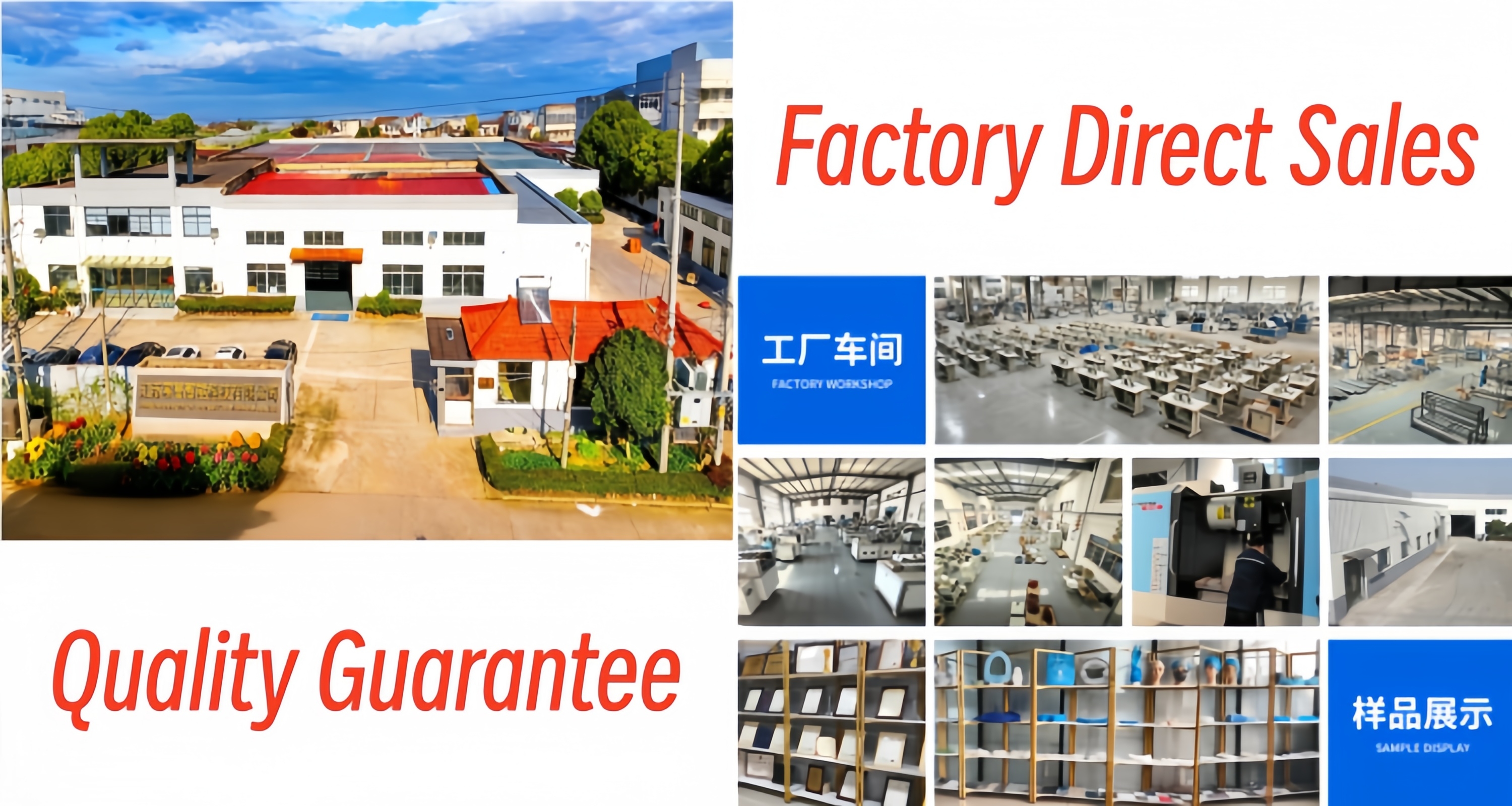
Changpu の 20,000 平方メートルの生産拠点の内部: 完全な工場ツアー

2026 07/18

B2B 調達専門家にとって、どれほど洗練された Web サイトのコピーを作成しても、サプライヤーの工場を自分の目で見ることで得られる自信に代わることはできません。工場現場は真実を伝えます。企業が本当に製造しているのか、単に再販しているのか、品質管理が文書化されたプロセスなのかスローガンなのか、そして生産能力がパンフレットに記載されている数字と一致しているかどうかが明らかになります。この記事では、江蘇省常州市にある昌浦 20,000 平方メートルの超音波装置生産基地の内部を紹介し、江蘇昌浦インテリジェント テクノロジーが超音波機械をどのように設計、製造、組み立て、テスト、出荷するかをセクションごとに説明します。
場所とサイトの概要
中国常州の江蘇長浦工場ツアーは、常州市金壇区にある上海浦東国際空港から車で約2時間で始まります。常州は江蘇省の主要な製造都市の一つであり、精密機械部品、電子制御システム、産業オートメーション機器の成熟したサプライチェーンを備えています。この立地上の利点は、チャンプーが短い物流パイプラインを持つ精査された地元のサプライヤーから高品質の原材料と特殊なコンポーネント(スチール、アルミニウムプロファイル、超音波発生器、サーボモーター、PLCコントローラー)を調達していることを意味し、材料コストと調達リードタイムの​​両方を削減します。
この工場は、総床面積 20,000 平方メートルの標準化された工業用建物を占めています。この施設は 6 つの機能ゾーンで構成されており、一方の端での原材料の受け取りから他方の端で完成品の梱包と発送に至る論理的なマテリアル フローによって接続されています。この直線的なレイアウトにより、材料の取り扱いが最小限に抑えられ、組立段階間の相互汚染のリスクが軽減され、隣接するプロセスにボトルネックを生じさせることなく各ゾーンが独立して動作することが可能になります。
For B2B procurement professionals, no amount of polished website copy can replace the confidence gained from seeing a supplier's factory with their own eyes. The factory floor tells the truth — it reveals whether a company truly manufactures or merely resells, whether quality control is a documented process or a slogan, and whether production capacity matches the numbers on the brochure. This article takes you inside the Changpu 20000 sqm ultrasonic equipment production base in Changzhou, Jiangsu Province, providing a section-by-section walkthrough of how Jiangsu Changpu Intelligent Technology designs, fabricates, assembles, tests, and ships its ultrasonic machinery. Location and Site Overview The Jiangsu Changpu factory tour Changzhou China begins approximately two hours by road from Shanghai Pudong International Airport, in the Jintan District of Changzhou City. Changzhou is one of Jiangsu Province's key manufacturing cities, with a mature supply chain for precision machinery components, electronic control systems, and industrial automation equipment. This location advantage means Changpu sources high-quality raw materials and specialized components — steel, aluminum profiles, ultrasonic generators, servo motors, PLC controllers — from vetted local suppliers with short logistics pipelines, reducing both material cost and procurement lead time. The factory occupies a standardized industrial building with a total floor area of 20,000 square meters. The facility is organized into six functional zones, connected by a logical material flow that moves from raw material receiving on one end to finished product packaging and dispatch on the other. This linear layout minimizes material handling, reduces the risk of cross-contamination between assembly stages, and allows each zone to operate independently without creating bottlenecks for adjacent processes. Zone 1: Raw Material Receiving and Inspection Before any manufacturing begins, incoming materials pass through a dedicated receiving and inspection bay. Steel plates and profiles destined for machine frames are checked for dimensional accuracy, surface finish, and material certification. Aluminum components — used extensively in ultrasonic horn assemblies and guide rails — undergo hardness testing and surface quality verification. Electronic components, including ultrasonic generators from the 15kHz to 35kHz frequency range, servo drives, touchscreen HMIs, and safety relays, are tested for function and compatibility before being released to the production floor. This incoming inspection process is documented and traceable. Each material batch receives a unique identifier linked to its supplier, delivery date, and inspection results. If a quality issue is detected during production or after delivery, this traceability system allows Changpu to identify the affected batch and scope of any potential impact. For buyers evaluating an ultrasonic machine manufacturing facility CE certified to European standards, this level of material traceability is a baseline expectation — and Changpu's incoming QC process meets it. Zone 2: CNC Machining Center The machining center is where raw metal becomes precision components. Changpu operates multiple CNC machining centers in-house, capable of milling, turning, drilling, and grinding the structural and functional parts that form the backbone of every ultrasonic machine the company produces. Key components manufactured in this zone include ultrasonic horn bodies, anvil wheels for quilting machines, cutting blade holders for tape cutting machines, roller assemblies for sanitary napkin production lines, and frame mounting plates. By machining these parts internally rather than outsourcing them, Changpu achieves two critical advantages. First, dimensional tolerances are controlled within the facility, eliminating the variance that occurs when multiple external suppliers each interpret a specification slightly differently. Second, lead times for custom and OEM orders are shortened because there is no dependency on external machine shops that may have their own backlogs and scheduling priorities. The presence of in-house CNC capability is one of the most reliable indicators that a company is a genuine manufacturer rather than an assembler of purchased components. For B2B buyers concerned about distinguishing factories from trading companies, the machining center is the place to look. Zone 3: Electrical and Control System Integration Adjacent to the machining center, the electrical integration zone is where ultrasonic generators, motor drives, PLC controllers, touchscreen interfaces, and safety systems are assembled, wired, and programmed. Each machine type has a standardized electrical architecture, but the integration team customizes control parameters — operating frequency, amplitude settings, conveyor speed, temperature thresholds — based on the specific material and application the customer has specified. Changpu's control systems are built around industrial PLC platforms with HMI touchscreen interfaces. Operators can adjust welding parameters, monitor production counts, and receive fault diagnostics through the touchscreen. For machines destined for export markets, the interface language and measurement units (millimeters vs inches, Celsius vs Fahrenheit) are configured during this stage based on the buyer's preference. The electrical zone also handles safety system integration. Emergency stop circuits, light curtains on cutting machines, temperature cutoffs on ultrasonic generators, and overcurrent protection are all wired and tested here. CE certification requires documented verification of every safety circuit, and Changpu's QC team performs these tests before a machine leaves the electrical zone. Zone 4: Mechanical Assembly Lines The mechanical assembly floor is the largest zone in the Changpu 20000 sqm ultrasonic equipment production base, housing 15 dedicated production lines arranged by product category. Each line is configured for a specific machine type or family, with the tooling, jigs, and test fixtures permanently installed to support efficient assembly and changeover. The assembly process follows a station-based workflow. At Station 1, the machine frame is positioned and leveled. Station 2 installs the mechanical drive system — motors, gearboxes, belts, chains, and guide rails. Station 3 mounts the ultrasonic assembly, including the generator, transducer, booster, and horn or roller. Station 4 integrates the control panel and electrical connections. Station 5 handles pneumatic systems for machines that use air cylinders for clamping, lifting, or material feeding. Final assembly at Station 6 involves fitting guards, covers, and safety enclosures. This station-based approach offers several advantages for B2B buyers. First, it standardizes assembly quality — every machine of the same model goes through the same steps in the same sequence. Second, it enables parallel production of different machine types, which means a buyer ordering a sanitary napkin production line is not delayed because another customer's quilting machine order is occupying the same assembly space. Third, it allows Changpu to scale output by adding shifts without reconfiguring the entire floor. Zone 5: Quality Control and Operational Testing The quality control zone is where every machine must prove itself before it earns a packing crate. Changpu employs a QC team of 5 to 10 dedicated inspectors who conduct multi-point verification at critical stages throughout the production process — but the final operational test in Zone 5 is the definitive gate. For an ultrasonic quilting machine, the test involves running multiple layers of non-woven fabric or textile material through the machine at the rated speed, then inspecting the bond pattern for consistency, bond strength, and absence of burn marks or skipped welds. For a sanitary napkin production line, the test is a full production trial — raw materials are loaded, the line is run at the specified throughput, and the output pads are checked for dimensional accuracy, seal integrity, absorbent core positioning, and folding precision. For a computerized tape cutting machine, hundreds of cuts are performed and measured to verify length accuracy and edge quality. This operational testing serves two purposes. For Changpu, it validates that the machine meets specifications before shipment. For the buyer, it means the machine has already resolved its early-life issues — a machine that survives a production trial at the factory is significantly less likely to experience commissioning problems at the buyer's facility. The test data — throughput achieved, defect rate, parameter settings — is recorded and can be shared with the buyer as part of the pre-shipment documentation. Zone 6: Packaging, Documentation, and Dispatch After passing QC, each machine moves to the packaging zone for export preparation. Machines are wrapped in VCI anti-corrosion film, secured to pallets or skids, and enclosed in export-grade plywood crates with internal bracing to prevent movement during transit. Moisture-absorbing desiccant packs are included for sea freight shipments. Each crate is labeled with handling instructions, weight, dimensions, and destination information. Accompanying each shipment is a documentation package that typically includes the commercial invoice, packing list, bill of lading or airway bill, CE certificate of conformity, machine manual and spare parts list, and installation and commissioning guide. For L/C transactions, Changpu prepares documents in strict accordance with the letter of credit terms to ensure smooth payment processing. The factory ships under FOB and EXW terms. Under FOB, Changpu handles inland transportation to the port of departure and export customs clearance. Under EXW, the buyer arranges collection from the factory gate. Both options give buyers flexibility depending on their freight forwarding relationships and cost preferences. What a Factory Visit Reveals For B2B buyers taking a Jiangsu Changpu factory tour Changzhou China, several indicators separate a well-run operation from a marginal one. The organization of the production floor — clean demarcation between zones, labeled storage locations, visible work instructions at each station — signals management discipline. The condition of the equipment — well-maintained CNC machines, organized tool carts, calibration stickers on measuring instruments — reflects investment in quality infrastructure. The demeanor of the workforce — focused, communicative, following documented procedures — indicates experienced supervision and a stable operating culture. Changpu's facility demonstrates these indicators. The 20,000-square-meter space is utilized efficiently without feeling overcrowded. Material flows logically from receiving to dispatch. The QC zone operates with documented checklists rather than ad-hoc inspection. And the presence of multiple machines in various stages of assembly — some in early mechanical build, others in final testing — confirms that the factory is actively producing, not just maintaining a showroom.
ゾーン 1: 原材料の受け入れと検査
製造が開始される前に、入荷した材料は専用の受け入れおよび検査ベイを通過します。機械フレーム用の鋼板と異形材は、寸法精度、表面仕上げ、材料認証が検査されます。超音波ホーンアセンブリやガイドレールに広く使用されているアルミニウム部品は、硬度試験と表面品質検証を受けます。 15kHz ~ 35kHz の周波数範囲の超音波発生器、サーボ ドライブ、タッチスクリーン HMI、安全リレーなどの電子コンポーネントは、生産現場に出荷される前に機能と互換性がテストされます。
この受入検査プロセスは文書化され、追跡可能です。各材料バッチには、サプライヤー、納期、検査結果にリンクされた一意の識別子が与えられます。生産中または納品後に品質問題が検出された場合、このトレーサビリティ システムにより、Changpu は影響を受けるバッチと潜在的な影響の範囲を特定できます。欧州基準の CE 認証を受けた超音波機械製造施設を評価するバイヤーにとって、このレベルの材料トレーサビリティは基本的な期待値であり、Changpu の今後の QC プロセスはそれを満たしています。
ゾーン 2: CNC マシニング センター
マシニングセンターは、原料の金属を精密部品にする場所です。 Changpu は社内で複数の CNC マシニング センターを運用しており、同社が製造するすべての超音波機械のバックボーンを形成する構造部品や機能部品のフライス加工、旋削、穴あけ、研削が可能です。
このゾーンで製造される主要コンポーネントには、超音波ホーン本体、キルティング機用のアンビルホイール、テープ切断機用の切断ブレードホルダー、生理用ナプキン生産ライン用のローラーアセンブリ、およびフレーム取り付けプレートが含まれます。これらの部品を外部委託するのではなく社内で機械加工することにより、Changpu は 2 つの重要な利点を実現しています。まず、寸法公差が施設内で管理され、複数の外部サプライヤーがそれぞれ仕様をわずかに異なる解釈をした場合に生じる差異が排除されます。第 2 に、独自のバックログやスケジュールの優先順位を持つ外部の機械工場に依存しないため、カスタムおよび OEM の注文のリードタイムが短縮されます。
社内 CNC 機能の存在は、その企業が購入したコンポーネントの組み立て業者ではなく、本物のメーカーであることを示す最も信頼できる指標の 1 つです。工場と商社の区別を気にしている B2B バイヤーにとって、マシニング センターは注目の場所です。
ゾーン 3: 電気および制御システムの統合
マシニング センターに隣接する電気統合ゾーンでは、超音波発生器、モーター ドライブ、PLC コントローラー、タッチスクリーン インターフェイス、安全システムが組み立てられ、配線され、プログラムされます。各マシンタイプには標準化された電気アーキテクチャがありますが、統合チームは、顧客が指定した特定の材料と用途に基づいて、動作周波数、振幅設定、コンベア速度、温度しきい値などの制御パラメータをカスタマイズします。
Changpu の制御システムは、HMI タッチスクリーン インターフェイスを備えた産業用 PLC プラットフォームを中心に構築されています。オペレーターは、タッチスクリーンを通じて溶接パラメータを調整し、生産数を監視し、故障診断を受け取ることができます。輸出市場向けのマシンの場合、インターフェイス言語と測定単位 (ミリメートルとインチ、摂氏と華氏) は、購入者の好みに基づいてこの段階で設定されます。
電気ゾーンは安全システムの統合も担当します。緊急停止回路、切断機のライト カーテン、超音波発生器の温度遮断、過電流保護はすべてここで配線され、テストされます。 CE 認証にはすべての安全回路の文書化された検証が必要であり、Changpu の QC チームは機械が電気ゾーンを離れる前にこれらのテストを実行します。
ゾーン 4: 機械組立ライン
機械組立フロアは昌浦20,000平方メートルの超音波装置生産基地の中で最大のゾーンであり、製品カテゴリーごとに配置された15の専用生産ラインが収容されています。各ラインは特定のマシンタイプまたはファミリー向けに構成されており、効率的な組み立てと切り替えをサポートするためにツール、治具、テスト治具が恒久的に設置されています。
組み立てプロセスはステーションベースのワークフローに従います。ステーション 1 では、機械フレームが位置決めされ、水平に保たれます。ステーション 2 では、モーター、ギアボックス、ベルト、チェーン、ガイド レールなどの機械駆動システムを設置します。ステーション 3 には、発生器、トランスデューサー、ブースター、ホーンまたはローラーを含む超音波アセンブリが取り付けられます。ステーション 4 には、コントロール パネルと電気接続が統合されています。ステーション 5 は、クランプ、リフト、または材料の供給にエア シリンダーを使用する機械の空気圧システムを扱います。ステーション 6 での最終組み立てには、ガード、カバー、安全エンクロージャの取り付けが含まれます。
このステーションベースのアプローチは、B2B バイヤーにいくつかの利点をもたらします。まず、組み立ての品質が標準化され、同じモデルのすべての機械が同じ手順で同じ手順を実行します。第 2 に、異なる種類の機械の並行生産が可能になります。つまり、生理用ナプキンの生産ラインを注文する購入者が、別の顧客のキルティング機械の注文が同じ組立スペースを占有しているために遅れることがなくなります。第三に、Changpu はフロア全体を再構成することなく、シフトを追加することで出力をスケールできるようになります。
ゾーン 5: 品質管理と動作テスト
品質管理ゾーンは、すべての機械が梱包箱に入る前にその能力を証明しなければならない場所です。 Changpu は 5 ~ 10 人の専任検査官からなる QC チームを採用し、生産プロセス全体の重要な段階で多点検証を実施します。ただし、ゾーン 5 での最終動作テストが決定的な関門となります。
超音波キルティング機の場合、このテストでは、複数層の不織布または織物材料を定格速度で機械に通してから、接着パターンの一貫性、接着強度、焼き跡や溶接の飛びの有無を検査します。生理用ナプキン生産ラインの場合、このテストは完全な生産試行です。原材料が投入され、ラインが指定されたスループットで稼働し、出力パッドの寸法精度、シールの完全性、吸収性コアの位置、折り精度がチェックされます。コンピュータ制御のテープ切断機では、長さの精度とエッジの品質を確認するために、数百回の切断が実行および測定されます。
この動作テストには 2 つの目的があります。 Changpu の場合、出荷前にマシンが仕様を満たしているかどうかを検証します。購入者にとって、これは機械がその初期段階の問題をすでに解決していることを意味します。工場での生産試験に耐えた機械は、購入者の施設で試運転に問題が発生する可能性が大幅に低くなります。テストデータ (達成されたスループット、欠陥率、パラメータ設定) は記録され、出荷前文書の一部として購入者と共有できます。
ゾーン 6: 梱包、文書化、発送
QCを通過した後、各機械は輸出準備のために包装ゾーンに移動します。機械はVCI防食フィルムで包まれ、パレットまたはスキッドに固定され、輸送中に動かないように内部ブレース付きの輸出グレードの合板箱に入れられます。海上輸送には吸湿性乾燥剤パックが同梱されます。各木箱には、取り扱い上の注意、重量、寸法、目的地情報が記載されたラベルが貼られています。
各貨物には、通常、商業送り状、梱包リスト、船荷証券または航空運送状、CE 適合証明書、機械マニュアルおよびスペア部品リスト、設置および試運転ガイドが含まれる文書パッケージが付属しています。 L/C取引の場合、Changpuはスムーズな支払い処理を確保するために信用状の条件に厳密に従って書類を作成します。
工場は FOB および EXW 条件に基づいて出荷します。 FOBに基づいて、チャンプーは出発港までの内陸輸送と輸出通関を担当します。 EXW では、購入者が工場ゲートからの回収を手配します。どちらのオプションでも、購入者は貨物輸送関係やコストの好みに応じて柔軟に対応できます。
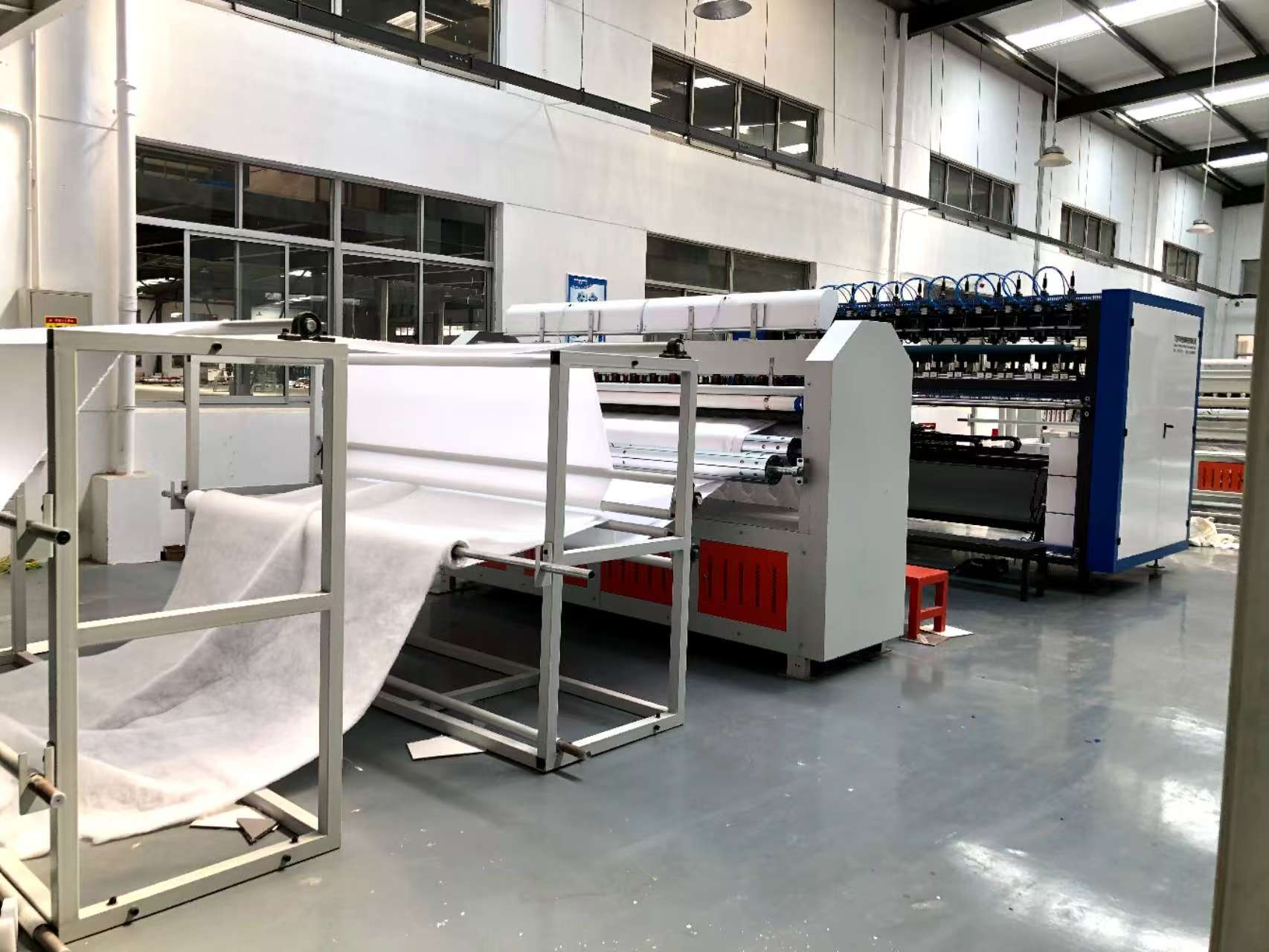
Jiangsu Changpu factory tour Changzhou China
工場訪問で分かること
中国常州市の江蘇長浦工場見学に参加する B2B バイヤーにとって、うまく運営されている事業とそうでない事業を区別する指標はいくつかあります。生産現場の組織、つまりゾーン間の明確な境界、ラベルを付けた保管場所、各ステーションでの目に見える作業指示などは、管理規律を示しています。設備の状態 (よくメンテナンスされた CNC マシン、整理されたツール カート、測定器の校正ステッカー) は、高品質のインフラストラクチャへの投資を反映しています。従業員の態度(集中的でコミュニケーション力があり、文書化された手順に従っている)は、経験豊富な監督と安定した運営文化を示しています。
Changpu の施設はこれらの指標を示しています。 20,000平方メートルのスペースを、密を感じることなく効率的に活用しています。資材は受領から発送まで論理的に流れます。 QC ゾーンは、その場限りの検査ではなく、文書化されたチェックリストを使用して運営されます。また、組立のさまざまな段階で複数の機械が存在しており、一部は初期の機械製造段階、その他は最終テスト段階にあり、工場が単にショールームを維持しているだけでなく、積極的に生産していることが確認できます。