

Daily Operation and Care
Q: What is the daily startup procedure for an ultrasonic machine?
A: The daily startup sequence should follow these steps:
Q: What is the daily shutdown procedure?
A:
Q: How often should the machine be cleaned?
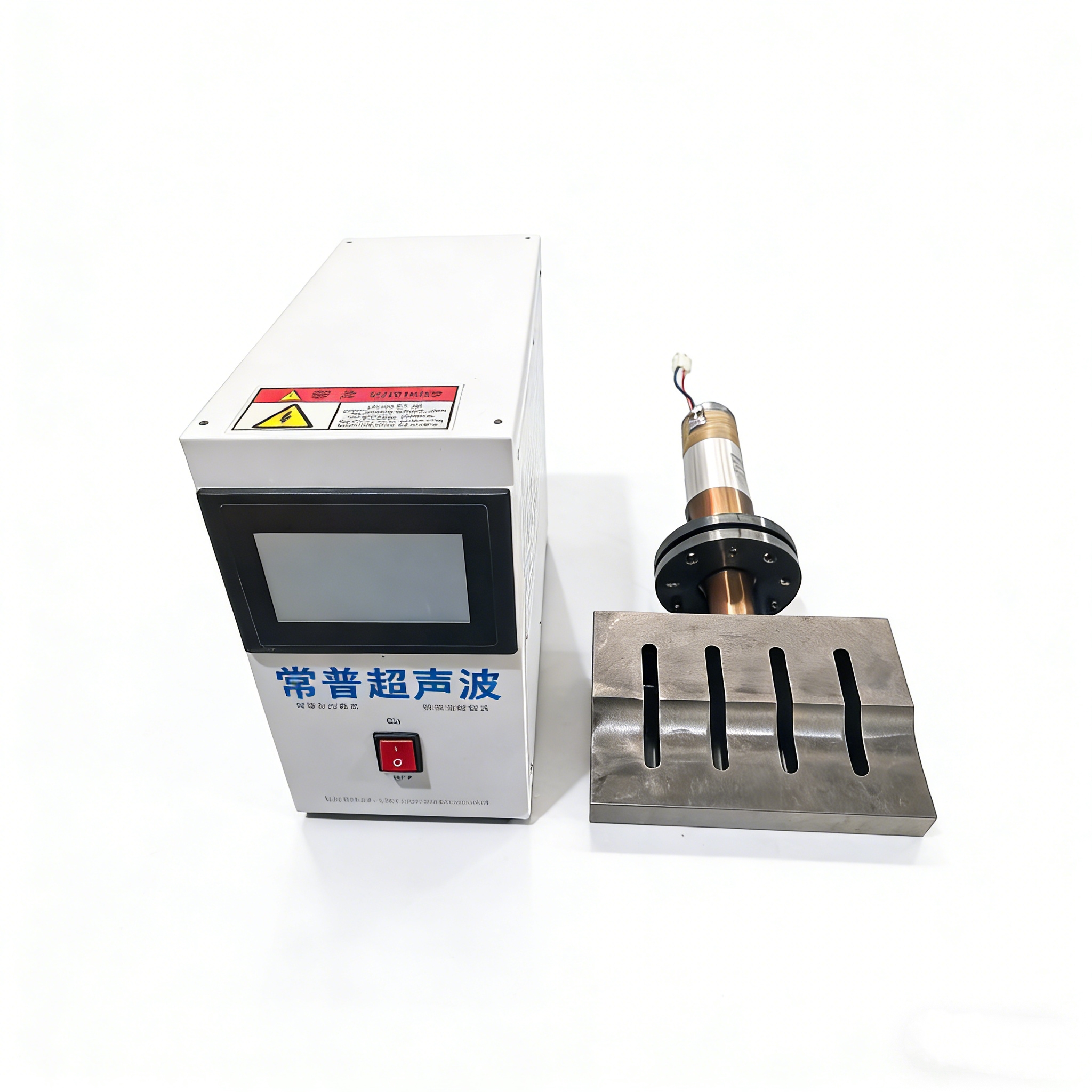
A: The work surface — horn face, anvil, cutting blade area, material feed path — should be cleaned at the end of every shift. Material dust and fiber accumulation can affect bonding quality, cause material feeding issues, and in extreme cases create a fire hazard if allowed to build up around hot components. Use a soft brush or compressed air (controlled pressure, directed away from sensitive components) for routine cleaning. Do not use metal scrapers on the ultrasonic horn surface — scratches will affect bond quality.
Ultrasonic System Questions
Q: Why does the bond quality vary during a production run?
A: Inconsistent bond quality — some bonds strong, some weak — typically indicates one of these issues:
- Material inconsistency: Variation in material thickness, GSM weight, or thermoplastic content within the roll. Test bonds at the beginning, middle, and end of each material roll to identify material-related variation.
- Pressure fluctuation: If the pneumatic system pressure is fluctuating (compressor cycling, leaks), the bonding pressure varies correspondingly. Verify stable compressed air supply within the specified range.
- Horn wear: An unevenly worn horn face creates inconsistent pressure distribution. Inspect the horn face for wear patterns — a worn horn will show visible unevenness.
- Generator frequency drift: If the ultrasonic generator is not maintaining stable frequency lock on the transducer's resonant frequency, energy transfer efficiency varies. This typically indicates a transducer issue or generator tuning problem requiring technical support.
Q: How do I know when to replace the ultrasonic horn?
A: Replace the ultrasonic horn when you observe:
- Visible wear: The horn face shows visible pitting, grooving, or uneven wear patterns. A worn horn face cannot distribute pressure evenly, resulting in inconsistent bonds.
- Frequency shift: The generator's operating frequency has shifted significantly (more than 100-200 Hz from the nominal frequency) and cannot be retuned within range.
- Cracking: Any visible crack on the horn — especially at the nodal point or near the mounting stud — requires immediate replacement. A cracked horn can fail catastrophically during operation.
- Reduced bond strength: Bond strength has decreased despite all other parameters (amplitude, pressure, speed) being optimized, and the decrease cannot be attributed to material changes.
Under normal production conditions, a typical ultrasonic horn has a service life of 500,000 to 2 million cycles depending on amplitude, material abrasiveness, and operating environment. Proactive replacement based on cycle count — rather than waiting for failure — is the best practice for production-critical machines.
Q: What causes the generator overload alarm?
A: Generator overload is triggered when the ultrasonic system draws more current than the generator's rated capacity. Common causes:
- Excessive amplitude setting: The amplitude is set too high for the material and application. Reduce amplitude in 5% increments and test bond quality.
- Excessive pressure: Too much pneumatic pressure is forcing the horn against the material with more force than the ultrasonic energy can overcome. Reduce pressure incrementally.
- Mechanical binding: The horn or booster is physically binding against a guide, guard, or mounting component. Inspect the entire ultrasonic stack for clearance.
- Transducer failure: Internal delamination of the piezoelectric elements in the transducer causes inefficient energy conversion and high current draw. This requires transducer replacement.
- Generator fault: Rare but possible — if all mechanical causes are ruled out, the generator itself may have a component failure.
If the overload condition persists after checking and correcting the above, contact Changpu technical support for diagnostic guidance.

Mechanical System Questions
Q: The material is feeding inconsistently — bunching on one side, stretching on the other. How do I fix this?
A: Uneven material feeding is usually caused by one of these factors:
- Misaligned guide rollers: Check that all guide rollers are parallel to each other and perpendicular to the feed direction. A roller that is even slightly angled will pull material to one side.
- Uneven tension: If tension differs between left and right sides of the material web, the material will drift toward the tighter side. Check the tension adjustment mechanism and balance side-to-side.
- Worn or contaminated rollers: Rollers that have developed a polished surface (from wear) or accumulated residue (from material) will not grip evenly. Clean rollers with an appropriate solvent and replace if wear is visible.
- Material roll issues: The material roll itself may be wound with uneven tension from the supplier. If the problem appears with specific rolls but not others, the root cause is material quality, not machine adjustment.
Q: How often should drive belts be checked and replaced?
A: Inspect drive belts weekly for:
- Visible wear — fraying, cracking, glazing on the contact surface
- Tension — a belt that deflects more than the specified amount under pressure (typically 5-10mm deflection for a V-belt, check your machine's specification) needs tightening
- Alignment — pulleys should be aligned in the same plane; misalignment accelerates belt wear
Replace belts when wear is visible or tension cannot be maintained. Proactive replacement at the first sign of wear prevents unexpected production stoppages from belt failure.
Parameter Optimization Questions
Q: How do I determine the optimal ultrasonic amplitude for a new material?
A: Ultrasonic amplitude determines how much mechanical vibration energy is delivered to the bond point. Too little amplitude produces weak bonds; too much amplitude can burn or melt through the material.
The optimization process:
Preventive Maintenance Schedule
Q: What is the recommended preventive maintenance schedule?
A: Changpu recommends the following maintenance schedule for ultrasonic equipment. This ultrasonic machine daily care preventive maintenance factory support schedule should be adapted based on your production volume and operating environment.
Daily (Every Shift):
- Clean work surface, horn face, anvil, and material feed path
- Check compressed air pressure
- Verify emergency stop function
- Record production output and any quality issues
Weekly:
- Inspect drive belts for wear and tension
- Inspect all fasteners — tighten any loose bolts or screws
- Clean cooling fan filters (if equipped)
- Check electrical cable connections for security
- Lubricate guide rails and bearings per machine manual
Monthly:
- Inspect ultrasonic horn for wear patterns
- Test all safety interlocks and emergency stops
- Verify generator frequency lock stability
- Clean electrical cabinet — remove dust from components (power off first)
- Inspect pneumatic hoses and fittings for leaks
Quarterly:
- Comprehensive ultrasonic system check — horn condition, booster torque, transducer performance
- Replace worn guide rollers, belts, or seals
- Calibrate sensors and measuring systems
- Review maintenance log for recurring issues
Annually:
- Complete machine inspection and service
- Replace all wear components proactively (belts, seals, filters)
- Ultrasonic generator calibration check
- Control system backup (save all parameters and recipes)
- Operator refresher training
Document all maintenance activities in a maintenance log. This log is valuable for identifying wear patterns, scheduling proactive replacements, and supporting warranty claims if needed.
When to Contact Technical Support
Q: When should I contact Changpu technical support rather than troubleshooting myself?
A: Contact technical support immediately for:
- Any electrical issue involving sparking, burning smell, or tripped circuit breakers
- Generator alarms that persist after checking and correcting the common causes
- Unusual noise from the ultrasonic stack — screeching, rattling, or grinding sounds
- Any visible crack on the ultrasonic horn, booster, or transducer
- Sudden loss of bond quality that cannot be resolved through parameter adjustment
- Safety system fault that prevents machine operation
- Any situation where you are unsure of the correct diagnostic or repair procedure
When contacting support, provide: your machine model, the symptoms you are observing, any generator alarm codes displayed, what you have already checked or tried, and photos or video if available. This information allows the support team to diagnose the issue faster and provide specific guidance rather than asking preliminary questions.
Conclusion
This Changpu ultrasonic equipment maintenance operation FAQ guide addresses the most common operational and maintenance questions that arise in production environments. Consistent application of the daily care procedures, preventive maintenance schedule, and parameter optimization approach described here will maximize machine uptime, extend component life, and maintain consistent product quality.
For questions not covered here, or for issues that require technical diagnosis, Changpu's support team is available through the contact channels described in Article 19 — After-Sales Service. Remember: the cost of a support call is always less than the cost of extended production downtime caused by an unresolved machine issue.