

Voor B2B-inkoopprofessionals kan geen enkele hoeveelheid gepolijste websiteteksten het vertrouwen vervangen dat ze krijgen als ze de fabriek van een leverancier met eigen ogen zien. De fabrieksvloer vertelt de waarheid: het laat zien of een bedrijf werkelijk produceert of alleen maar doorverkoopt, of kwaliteitscontrole een gedocumenteerd proces of een slogan is, en of de productiecapaciteit overeenkomt met de cijfers op de brochure. Dit artikel neemt je mee naar de productiebasis van Changpu, een productiebasis van 20.000 m2 voor ultrasone apparatuur in Changzhou, in de provincie Jiangsu, en geeft per sectie aan hoe Jiangsu Changpu Intelligent Technology zijn ultrasone machines ontwerpt, fabriceert, assembleert, test en verzendt.
Locatie- en locatieoverzicht
De rondleiding door de Jiangsu Changpu-fabriek in Changzhou China begint ongeveer twee uur rijden vanaf de internationale luchthaven Shanghai Pudong, in het Jintan-district van de stad Changzhou. Changzhou is een van de belangrijkste productiesteden van de provincie Jiangsu, met een volwassen toeleveringsketen voor precisiemachinecomponenten, elektronische besturingssystemen en industriële automatiseringsapparatuur. Dit locatievoordeel betekent dat Changpu hoogwaardige grondstoffen en gespecialiseerde componenten – staal, aluminiumprofielen, ultrasone generatoren, servomotoren, PLC-controllers – betrekt bij doorgelichte lokale leveranciers met korte logistieke pijplijnen, waardoor zowel de materiaalkosten als de doorlooptijd van de inkoop worden verlaagd.
De fabriek is gevestigd in een gestandaardiseerd industrieel gebouw met een totale vloeroppervlakte van 20.000 vierkante meter. De faciliteit is georganiseerd in zes functionele zones, verbonden door een logische materiaalstroom die zich verplaatst van de ontvangst van grondstoffen aan de ene kant tot het verpakken en verzenden van eindproducten aan de andere kant. Deze lineaire lay-out minimaliseert de materiaalhantering, vermindert het risico op kruisbesmetting tussen assemblagefasen en zorgt ervoor dat elke zone onafhankelijk kan werken zonder knelpunten te creëren voor aangrenzende processen.
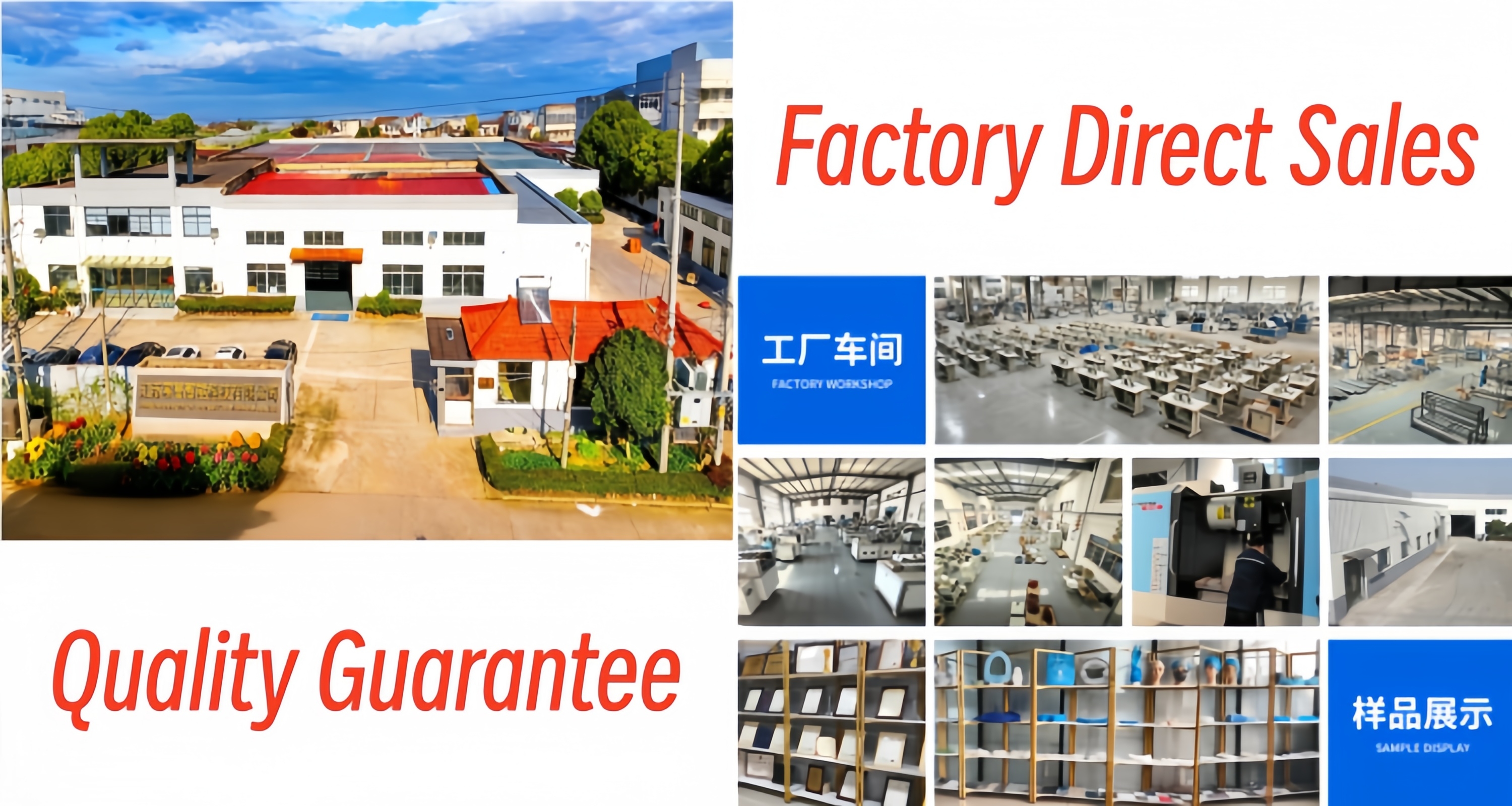
Zone 1: Ontvangst en inspectie van grondstoffen
Voordat de productie begint, passeren de binnenkomende materialen een speciale ontvangst- en inspectieruimte. Stalen platen en profielen bestemd voor machineframes worden gecontroleerd op maatnauwkeurigheid, oppervlakteafwerking en materiaalcertificering. Aluminium componenten – die veelvuldig worden gebruikt in ultrasone hoornconstructies en geleiderails – ondergaan hardheidstests en verificatie van de oppervlaktekwaliteit. Elektronische componenten, waaronder ultrasone generatoren met een frequentiebereik van 15 kHz tot 35 kHz, servoaandrijvingen, touchscreen-HMI's en veiligheidsrelais, worden getest op functie en compatibiliteit voordat ze op de productievloer worden vrijgegeven.
Dit inkomende inspectieproces is gedocumenteerd en traceerbaar. Elke materiaalbatch krijgt een unieke identificatiecode gekoppeld aan de leverancier, leveringsdatum en inspectieresultaten. Als er tijdens de productie of na levering een kwaliteitsprobleem wordt gedetecteerd, stelt dit traceerbaarheidssysteem Changpu in staat de getroffen partij en de omvang van eventuele gevolgen te identificeren. Voor kopers die een productiefaciliteit voor ultrasone machines beoordelen die CE-gecertificeerd is volgens Europese normen, is dit niveau van traceerbaarheid van materialen een basisverwachting - en het inkomende kwaliteitscontroleproces van Changpu voldoet hieraan.
Zone 2: CNC-bewerkingscentrum
In het bewerkingscentrum worden ruwe metalen precisiecomponenten. Changpu exploiteert meerdere CNC-bewerkingscentra in eigen huis, die in staat zijn de structurele en functionele onderdelen te frezen, draaien, boren en slijpen die de ruggengraat vormen van elke ultrasone machine die het bedrijf produceert.
Belangrijke componenten die in deze zone worden vervaardigd, zijn onder meer ultrasone hoornlichamen, aambeeldwielen voor quiltmachines, snijmeshouders voor tapesnijmachines, rolsamenstellen voor productielijnen voor maandverband en framemontageplaten. Door deze onderdelen intern te bewerken in plaats van ze uit te besteden, bereikt Changpu twee cruciale voordelen. Ten eerste worden de maattoleranties binnen de faciliteit gecontroleerd, waardoor de variantie wordt geëlimineerd die ontstaat wanneer meerdere externe leveranciers een specificatie elk iets anders interpreteren. Ten tweede worden de doorlooptijden voor maatwerk- en OEM-orders verkort omdat er geen afhankelijkheid is van externe machinewerkplaatsen die mogelijk hun eigen achterstanden en planningsprioriteiten hebben.
De aanwezigheid van interne CNC-mogelijkheden is een van de meest betrouwbare indicatoren dat een bedrijf een echte fabrikant is en geen assembleur van gekochte componenten. Voor B2B-kopers die zich zorgen maken over het onderscheid tussen fabrieken en handelsbedrijven, is het bewerkingscentrum de aangewezen plek.
Zone 3: Integratie van elektrische en besturingssystemen
Grenzend aan het bewerkingscentrum bevindt zich de elektrische integratiezone waar ultrasone generatoren, motoraandrijvingen, PLC-controllers, touchscreeninterfaces en veiligheidssystemen worden geassembleerd, bedraad en geprogrammeerd. Elk machinetype heeft een gestandaardiseerde elektrische architectuur, maar het integratieteam past de besturingsparameters – werkfrequentie, amplitude-instellingen, transportbandsnelheid, temperatuurdrempels – aan op basis van het specifieke materiaal en de toepassing die de klant heeft gespecificeerd.
De besturingssystemen van Changpu zijn gebouwd rond industriële PLC-platforms met HMI-touchscreeninterfaces. Operators kunnen lasparameters aanpassen, productieaantallen monitoren en foutdiagnostiek ontvangen via het touchscreen. Voor machines bestemd voor exportmarkten worden de interfacetaal en meeteenheden (millimeter versus inch, Celsius versus Fahrenheit) tijdens deze fase geconfigureerd op basis van de voorkeur van de koper.
De elektrische zone zorgt ook voor de integratie van veiligheidssystemen. Noodstopcircuits, lichtgordijnen op snijmachines, temperatuuruitschakelingen op ultrasone generatoren en overstroombeveiliging zijn hier allemaal bedraad en getest. CE-certificering vereist gedocumenteerde verificatie van elk veiligheidscircuit, en het QC-team van Changpu voert deze tests uit voordat een machine de elektrische zone verlaat.
Zone 4: Mechanische assemblagelijnen
De mechanische assemblagevloer is de grootste zone in de Changpu-productiebasis van 20.000 m² voor ultrasone apparatuur, met 15 speciale productielijnen, gerangschikt per productcategorie. Elke lijn is geconfigureerd voor een specifiek machinetype of -familie, waarbij de gereedschappen, mallen en testopstellingen permanent zijn geïnstalleerd om een efficiënte montage en omschakeling te ondersteunen.
Het assemblageproces volgt een stationgebaseerde workflow. Op Station 1 wordt het machineframe gepositioneerd en waterpas gesteld. Station 2 installeert het mechanische aandrijfsysteem: motoren, versnellingsbakken, riemen, kettingen en geleiderails. Station 3 monteert het ultrasone samenstel, inclusief de generator, transducer, booster en hoorn of roller. Station 4 integreert het bedieningspaneel en de elektrische aansluitingen. Station 5 verzorgt pneumatische systemen voor machines die luchtcilinders gebruiken voor klemmen, heffen of materiaaltoevoer. De eindmontage op Station 6 omvat het aanbrengen van afschermingen, afdekkingen en veiligheidsbehuizingen.
Deze stationgebaseerde aanpak biedt verschillende voordelen voor B2B-kopers. Ten eerste standaardiseert het de assemblagekwaliteit: elke machine van hetzelfde model doorloopt dezelfde stappen in dezelfde volgorde. Ten tweede maakt het parallelle productie van verschillende machinetypes mogelijk, wat betekent dat een koper die een maandverbandproductielijn bestelt, geen vertraging oploopt omdat de bestelling van een quiltmachine van een andere klant dezelfde assemblageruimte in beslag neemt. Ten derde stelt het Changpu in staat de output te schalen door ploegendiensten toe te voegen zonder de hele verdieping opnieuw te hoeven configureren.
Zone 5: Kwaliteitscontrole en operationele tests
In de kwaliteitscontrolezone moet elke machine zichzelf bewijzen voordat deze een verpakkingskrat verdient. Changpu heeft een QC-team van 5 tot 10 toegewijde inspecteurs in dienst die meerpuntsverificatie uitvoeren in kritieke fasen van het productieproces – maar de laatste operationele test in Zone 5 is de definitieve poort.
Voor een ultrasone quiltmachine houdt de test in dat meerdere lagen niet-geweven stof of textielmateriaal met de nominale snelheid door de machine worden gevoerd en vervolgens het verbindingspatroon wordt geïnspecteerd op consistentie, verbindingssterkte en de afwezigheid van brandplekken of overgeslagen lassen. Voor een productielijn voor maandverbanden is de test een volledige productieproef: grondstoffen worden geladen, de lijn draait met de gespecificeerde doorvoersnelheid en de uitvoerpads worden gecontroleerd op maatnauwkeurigheid, integriteit van de afdichting, positionering van de absorberende kern en vouwprecisie. Voor een computergestuurde tapesnijmachine worden honderden sneden uitgevoerd en gemeten om de lengtenauwkeurigheid en randkwaliteit te verifiëren.
Deze operationele tests dienen twee doelen. Voor Changpu valideert het dat de machine vóór verzending aan de specificaties voldoet. Voor de koper betekent dit dat de machine de problemen uit de beginfase al heeft opgelost; een machine die een productieproef in de fabriek overleeft, heeft aanzienlijk minder kans op inbedrijfstellingsproblemen bij de koper. De testgegevens – bereikte doorvoer, defectpercentage, parameterinstellingen – worden vastgelegd en kunnen met de koper worden gedeeld als onderdeel van de documentatie vóór verzending.
Zone 6: Verpakking, documentatie en verzending
Na het passeren van de QC gaat elke machine naar de verpakkingszone voor exportvoorbereiding. Machines zijn verpakt in VCI-anticorrosiefolie, vastgezet op pallets of skids en ingesloten in multiplexkratten van exportkwaliteit met interne versteviging om beweging tijdens het transport te voorkomen. Voor zeevrachtzendingen worden vochtabsorberende droogmiddelpakketten meegeleverd. Elke krat is gelabeld met hanteringsinstructies, gewicht, afmetingen en bestemmingsinformatie.
Bij elke zending wordt een documentatiepakket meegeleverd dat doorgaans de handelsfactuur, paklijst, vrachtbrief of luchtvrachtbrief, CE-conformiteitscertificaat, machinehandleiding en lijst met reserveonderdelen, en een installatie- en inbedrijfstellingsgids bevat. Voor L/C-transacties stelt Changpu documenten op in strikte overeenstemming met de voorwaarden van de letter of credit om een soepele betalingsverwerking te garanderen.
De fabriek verzendt onder FOB- en EXW-voorwaarden. Onder FOB verzorgt Changpu het binnenlands transport naar de vertrekhaven en de inklaring bij de export. Onder EXW regelt de koper het ophalen bij de fabriekspoort. Beide opties bieden kopers flexibiliteit, afhankelijk van hun expeditierelaties en kostenvoorkeuren.
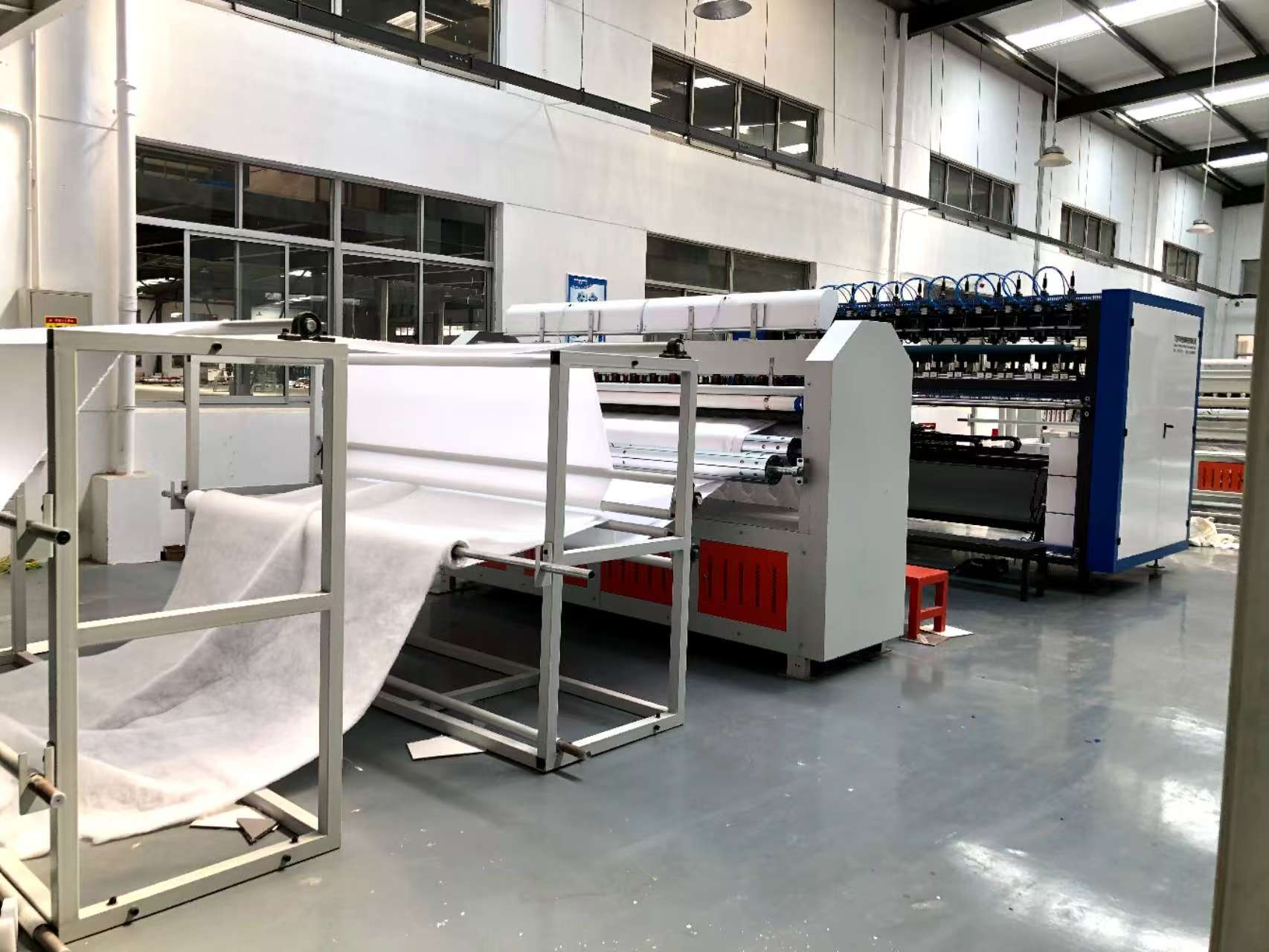
Wat een fabrieksbezoek onthult
Voor B2B-kopers die een rondleiding door de Jiangsu Changpu-fabriek in Changzhou, China maken, onderscheiden verschillende indicatoren een goed geleid bedrijf van een marginaal bedrijf. De organisatie van de productievloer – duidelijke afbakening tussen zones, gelabelde opslaglocaties, zichtbare werkinstructies op elk station – duidt op managementdiscipline. De staat van de apparatuur – goed onderhouden CNC-machines, georganiseerde gereedschapskarren, kalibratiestickers op meetinstrumenten – weerspiegelt investeringen in kwaliteitsinfrastructuur. De houding van het personeel – gefocust, communicatief, het volgen van gedocumenteerde procedures – duidt op ervaren toezicht en een stabiele bedrijfscultuur.
De faciliteit van Changpu demonstreert deze indicatoren. De ruimte van 20.000 vierkante meter wordt efficiënt gebruikt zonder dat het gevoel van overbevolking ontstaat. Materiaal stroomt logisch van ontvangst naar verzending. De QC-zone werkt met gedocumenteerde checklists in plaats van ad-hocinspecties. En de aanwezigheid van meerdere machines in verschillende stadia van de assemblage – sommige in een vroege mechanische bouw, andere in de laatste testfase – bevestigt dat de fabriek actief produceert en niet alleen maar een showroom onderhoudt.