
Jiangsu Changpu Intelligent Technology Co., Ltd.

Jiangsu Changpu Intelligent Technology Co., Ltd.

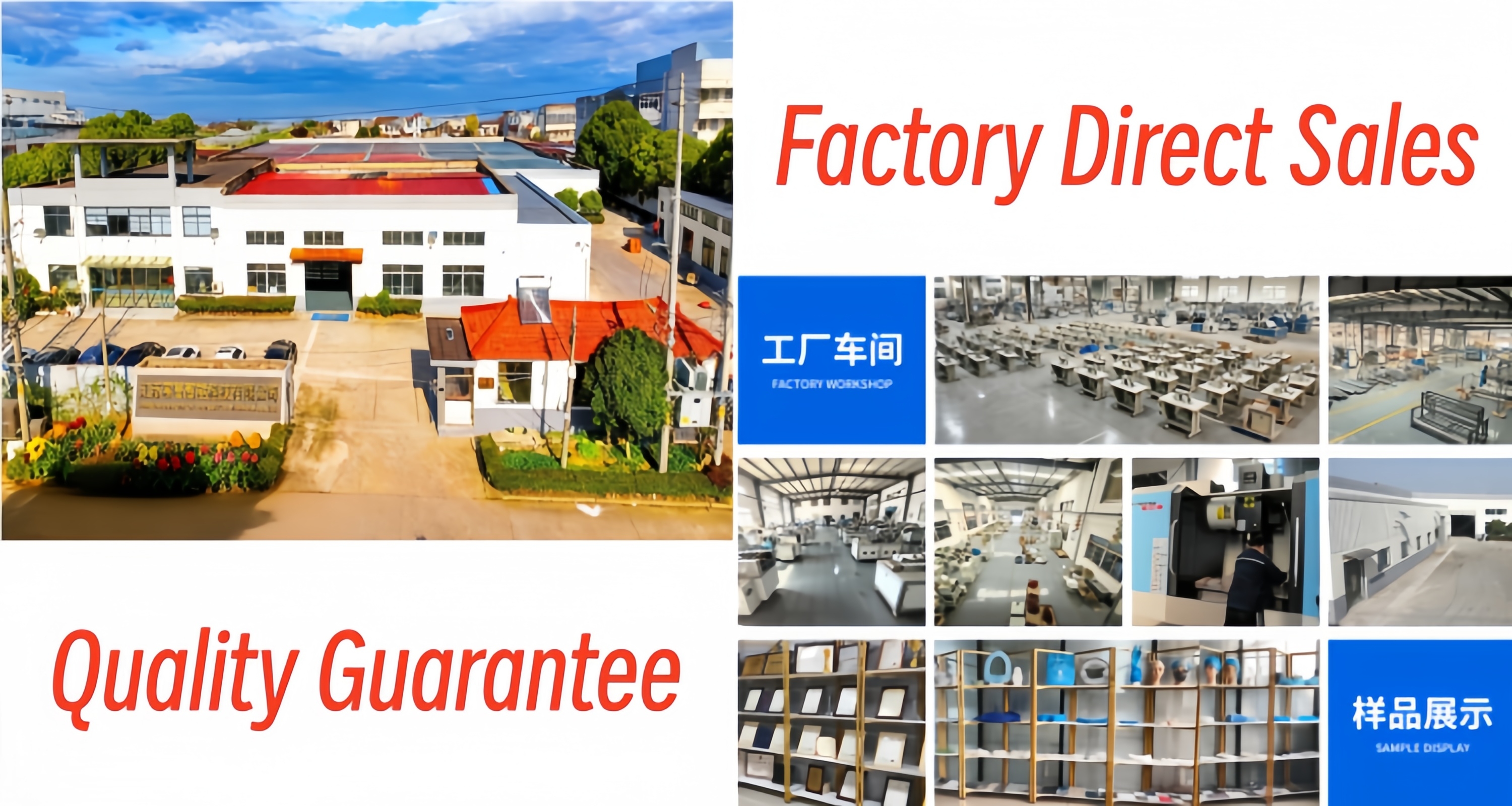
ภายในฐานการผลิต 20,000 ตร.ม. ของฉางผู่: ทัวร์โรงงานแบบครบวงจร

2026 07/18

สำหรับมืออาชีพด้านการจัดซื้อแบบ B2B ไม่มีสำเนาเว็บไซต์ที่สวยงามสักเท่าไรมาแทนที่ความมั่นใจที่ได้รับจากการเห็นโรงงานของซัพพลายเออร์ด้วยสายตาของตนเองได้ พื้นโรงงานบอกความจริง — เผยให้เห็นว่าบริษัทผลิตจริงหรือเพียงขายต่อ การควบคุมคุณภาพเป็นกระบวนการที่จัดทำเป็นเอกสารหรือสโลแกน และกำลังการผลิตตรงกับตัวเลขในโบรชัวร์หรือไม่ บทความนี้จะพาคุณไปเยี่ยมชมฐานการผลิตอุปกรณ์อัลตราโซนิก Changpu ขนาด 20,000 ตารางเมตรในเมืองฉางโจว มณฑลเจียงซู โดยจะอธิบายทีละส่วนว่าเทคโนโลยีอัจฉริยะ Jiangsu Changpu ออกแบบ ประดิษฐ์ ประกอบ ทดสอบ และจัดส่งเครื่องจักรอัลตราโซนิกอย่างไร
ที่ตั้งและภาพรวมเว็บไซต์
ทัวร์โรงงาน Jiangsu Changpu เมืองฉางโจว ประเทศจีน เริ่มต้นประมาณสองชั่วโมงโดยรถยนต์จากสนามบินนานาชาติ Shanghai Pudong ในเขต Jintan เมืองฉางโจว ฉางโจวเป็นหนึ่งในเมืองการผลิตที่สำคัญของมณฑลเจียงซู โดยมีห่วงโซ่อุปทานที่ครบวงจรสำหรับส่วนประกอบเครื่องจักรที่มีความแม่นยำ ระบบควบคุมอิเล็กทรอนิกส์ และอุปกรณ์ระบบอัตโนมัติทางอุตสาหกรรม ข้อได้เปรียบของสถานที่ตั้งนี้หมายความว่า Changpu จัดหาวัตถุดิบคุณภาพสูงและส่วนประกอบเฉพาะทาง เช่น เหล็ก โปรไฟล์อลูมิเนียม เครื่องกำเนิดอัลตราโซนิก เซอร์โวมอเตอร์ ตัวควบคุม PLC จากซัพพลายเออร์ในท้องถิ่นที่ได้รับการตรวจสอบแล้วซึ่งมีท่อส่งโลจิสติกส์ที่สั้น ซึ่งช่วยลดต้นทุนวัสดุและระยะเวลาในการจัดซื้อจัดจ้าง
โรงงานตั้งอยู่ในอาคารอุตสาหกรรมที่ได้มาตรฐานโดยมีพื้นที่รวม 20,000 ตารางเมตร สิ่งอำนวยความสะดวกถูกจัดออกเป็นโซนการทำงานหกโซน เชื่อมต่อกันด้วยการไหลของวัสดุแบบลอจิคัลที่ย้ายจากการรับวัตถุดิบที่ปลายด้านหนึ่งไปยังการบรรจุผลิตภัณฑ์สำเร็จรูปและการจัดส่งที่อีกด้านหนึ่ง เค้าโครงเชิงเส้นนี้ช่วยลดการจัดการวัสดุให้เหลือน้อยที่สุด ลดความเสี่ยงของการปนเปื้อนข้ามระหว่างขั้นตอนการประกอบ และช่วยให้แต่ละโซนทำงานได้อย่างอิสระโดยไม่สร้างปัญหาคอขวดสำหรับกระบวนการที่อยู่ติดกัน
For B2B procurement professionals, no amount of polished website copy can replace the confidence gained from seeing a supplier's factory with their own eyes. The factory floor tells the truth — it reveals whether a company truly manufactures or merely resells, whether quality control is a documented process or a slogan, and whether production capacity matches the numbers on the brochure. This article takes you inside the Changpu 20000 sqm ultrasonic equipment production base in Changzhou, Jiangsu Province, providing a section-by-section walkthrough of how Jiangsu Changpu Intelligent Technology designs, fabricates, assembles, tests, and ships its ultrasonic machinery. Location and Site Overview The Jiangsu Changpu factory tour Changzhou China begins approximately two hours by road from Shanghai Pudong International Airport, in the Jintan District of Changzhou City. Changzhou is one of Jiangsu Province's key manufacturing cities, with a mature supply chain for precision machinery components, electronic control systems, and industrial automation equipment. This location advantage means Changpu sources high-quality raw materials and specialized components — steel, aluminum profiles, ultrasonic generators, servo motors, PLC controllers — from vetted local suppliers with short logistics pipelines, reducing both material cost and procurement lead time. The factory occupies a standardized industrial building with a total floor area of 20,000 square meters. The facility is organized into six functional zones, connected by a logical material flow that moves from raw material receiving on one end to finished product packaging and dispatch on the other. This linear layout minimizes material handling, reduces the risk of cross-contamination between assembly stages, and allows each zone to operate independently without creating bottlenecks for adjacent processes. Zone 1: Raw Material Receiving and Inspection Before any manufacturing begins, incoming materials pass through a dedicated receiving and inspection bay. Steel plates and profiles destined for machine frames are checked for dimensional accuracy, surface finish, and material certification. Aluminum components — used extensively in ultrasonic horn assemblies and guide rails — undergo hardness testing and surface quality verification. Electronic components, including ultrasonic generators from the 15kHz to 35kHz frequency range, servo drives, touchscreen HMIs, and safety relays, are tested for function and compatibility before being released to the production floor. This incoming inspection process is documented and traceable. Each material batch receives a unique identifier linked to its supplier, delivery date, and inspection results. If a quality issue is detected during production or after delivery, this traceability system allows Changpu to identify the affected batch and scope of any potential impact. For buyers evaluating an ultrasonic machine manufacturing facility CE certified to European standards, this level of material traceability is a baseline expectation — and Changpu's incoming QC process meets it. Zone 2: CNC Machining Center The machining center is where raw metal becomes precision components. Changpu operates multiple CNC machining centers in-house, capable of milling, turning, drilling, and grinding the structural and functional parts that form the backbone of every ultrasonic machine the company produces. Key components manufactured in this zone include ultrasonic horn bodies, anvil wheels for quilting machines, cutting blade holders for tape cutting machines, roller assemblies for sanitary napkin production lines, and frame mounting plates. By machining these parts internally rather than outsourcing them, Changpu achieves two critical advantages. First, dimensional tolerances are controlled within the facility, eliminating the variance that occurs when multiple external suppliers each interpret a specification slightly differently. Second, lead times for custom and OEM orders are shortened because there is no dependency on external machine shops that may have their own backlogs and scheduling priorities. The presence of in-house CNC capability is one of the most reliable indicators that a company is a genuine manufacturer rather than an assembler of purchased components. For B2B buyers concerned about distinguishing factories from trading companies, the machining center is the place to look. Zone 3: Electrical and Control System Integration Adjacent to the machining center, the electrical integration zone is where ultrasonic generators, motor drives, PLC controllers, touchscreen interfaces, and safety systems are assembled, wired, and programmed. Each machine type has a standardized electrical architecture, but the integration team customizes control parameters — operating frequency, amplitude settings, conveyor speed, temperature thresholds — based on the specific material and application the customer has specified. Changpu's control systems are built around industrial PLC platforms with HMI touchscreen interfaces. Operators can adjust welding parameters, monitor production counts, and receive fault diagnostics through the touchscreen. For machines destined for export markets, the interface language and measurement units (millimeters vs inches, Celsius vs Fahrenheit) are configured during this stage based on the buyer's preference. The electrical zone also handles safety system integration. Emergency stop circuits, light curtains on cutting machines, temperature cutoffs on ultrasonic generators, and overcurrent protection are all wired and tested here. CE certification requires documented verification of every safety circuit, and Changpu's QC team performs these tests before a machine leaves the electrical zone. Zone 4: Mechanical Assembly Lines The mechanical assembly floor is the largest zone in the Changpu 20000 sqm ultrasonic equipment production base, housing 15 dedicated production lines arranged by product category. Each line is configured for a specific machine type or family, with the tooling, jigs, and test fixtures permanently installed to support efficient assembly and changeover. The assembly process follows a station-based workflow. At Station 1, the machine frame is positioned and leveled. Station 2 installs the mechanical drive system — motors, gearboxes, belts, chains, and guide rails. Station 3 mounts the ultrasonic assembly, including the generator, transducer, booster, and horn or roller. Station 4 integrates the control panel and electrical connections. Station 5 handles pneumatic systems for machines that use air cylinders for clamping, lifting, or material feeding. Final assembly at Station 6 involves fitting guards, covers, and safety enclosures. This station-based approach offers several advantages for B2B buyers. First, it standardizes assembly quality — every machine of the same model goes through the same steps in the same sequence. Second, it enables parallel production of different machine types, which means a buyer ordering a sanitary napkin production line is not delayed because another customer's quilting machine order is occupying the same assembly space. Third, it allows Changpu to scale output by adding shifts without reconfiguring the entire floor. Zone 5: Quality Control and Operational Testing The quality control zone is where every machine must prove itself before it earns a packing crate. Changpu employs a QC team of 5 to 10 dedicated inspectors who conduct multi-point verification at critical stages throughout the production process — but the final operational test in Zone 5 is the definitive gate. For an ultrasonic quilting machine, the test involves running multiple layers of non-woven fabric or textile material through the machine at the rated speed, then inspecting the bond pattern for consistency, bond strength, and absence of burn marks or skipped welds. For a sanitary napkin production line, the test is a full production trial — raw materials are loaded, the line is run at the specified throughput, and the output pads are checked for dimensional accuracy, seal integrity, absorbent core positioning, and folding precision. For a computerized tape cutting machine, hundreds of cuts are performed and measured to verify length accuracy and edge quality. This operational testing serves two purposes. For Changpu, it validates that the machine meets specifications before shipment. For the buyer, it means the machine has already resolved its early-life issues — a machine that survives a production trial at the factory is significantly less likely to experience commissioning problems at the buyer's facility. The test data — throughput achieved, defect rate, parameter settings — is recorded and can be shared with the buyer as part of the pre-shipment documentation. Zone 6: Packaging, Documentation, and Dispatch After passing QC, each machine moves to the packaging zone for export preparation. Machines are wrapped in VCI anti-corrosion film, secured to pallets or skids, and enclosed in export-grade plywood crates with internal bracing to prevent movement during transit. Moisture-absorbing desiccant packs are included for sea freight shipments. Each crate is labeled with handling instructions, weight, dimensions, and destination information. Accompanying each shipment is a documentation package that typically includes the commercial invoice, packing list, bill of lading or airway bill, CE certificate of conformity, machine manual and spare parts list, and installation and commissioning guide. For L/C transactions, Changpu prepares documents in strict accordance with the letter of credit terms to ensure smooth payment processing. The factory ships under FOB and EXW terms. Under FOB, Changpu handles inland transportation to the port of departure and export customs clearance. Under EXW, the buyer arranges collection from the factory gate. Both options give buyers flexibility depending on their freight forwarding relationships and cost preferences. What a Factory Visit Reveals For B2B buyers taking a Jiangsu Changpu factory tour Changzhou China, several indicators separate a well-run operation from a marginal one. The organization of the production floor — clean demarcation between zones, labeled storage locations, visible work instructions at each station — signals management discipline. The condition of the equipment — well-maintained CNC machines, organized tool carts, calibration stickers on measuring instruments — reflects investment in quality infrastructure. The demeanor of the workforce — focused, communicative, following documented procedures — indicates experienced supervision and a stable operating culture. Changpu's facility demonstrates these indicators. The 20,000-square-meter space is utilized efficiently without feeling overcrowded. Material flows logically from receiving to dispatch. The QC zone operates with documented checklists rather than ad-hoc inspection. And the presence of multiple machines in various stages of assembly — some in early mechanical build, others in final testing — confirms that the factory is actively producing, not just maintaining a showroom.
โซน 1: การรับและตรวจสอบวัตถุดิบ
ก่อนที่การผลิตใดๆ จะเริ่มต้นขึ้น วัสดุที่เข้ามาจะผ่านช่องรับและการตรวจสอบโดยเฉพาะ แผ่นเหล็กและโปรไฟล์ที่กำหนดไว้สำหรับเฟรมเครื่องจักรจะได้รับการตรวจสอบความถูกต้องของมิติ ผิวสำเร็จ และการรับรองวัสดุ ส่วนประกอบอะลูมิเนียม — ใช้กันอย่างแพร่หลายในแตรอัลตราโซนิกและรางนำ — ผ่านการทดสอบความแข็งและการตรวจสอบคุณภาพพื้นผิว ชิ้นส่วนอิเล็กทรอนิกส์ รวมถึงเครื่องกำเนิดอัลตราโซนิกจากช่วงความถี่ 15kHz ถึง 35kHz เซอร์โวไดรฟ์ HMI หน้าจอสัมผัส และรีเลย์ความปลอดภัย ได้รับการทดสอบการทำงานและความเข้ากันได้ก่อนที่จะปล่อยสู่สายการผลิต
กระบวนการตรวจสอบขาเข้านี้ได้รับการจัดทำเป็นเอกสารและตรวจสอบย้อนกลับได้ ชุดวัสดุแต่ละชุดจะได้รับตัวระบุที่ไม่ซ้ำกันซึ่งเชื่อมโยงกับซัพพลายเออร์ วันที่จัดส่ง และผลการตรวจสอบ หากตรวจพบปัญหาด้านคุณภาพในระหว่างการผลิตหรือหลังการส่งมอบ ระบบตรวจสอบย้อนกลับนี้ช่วยให้ Changpu สามารถระบุชุดที่ได้รับผลกระทบและขอบเขตของผลกระทบที่อาจเกิดขึ้นได้ สำหรับผู้ซื้อที่ประเมินโรงงานผลิตเครื่องจักรอัลตราโซนิกที่ได้รับการรับรอง CE ตามมาตรฐานยุโรป การตรวจสอบย้อนกลับของวัสดุในระดับนี้ถือเป็นความคาดหวังพื้นฐาน และกระบวนการ QC ขาเข้าของ Changpu ก็เป็นไปตามนั้น
โซน 2: เครื่องแมชชีนนิ่งเซนเตอร์ CNC
ศูนย์เครื่องจักรกลเป็นที่ที่โลหะดิบกลายเป็นส่วนประกอบที่มีความแม่นยำ Changpu ดำเนินการศูนย์เครื่องจักรกลซีเอ็นซีหลายแห่งภายในองค์กร ซึ่งสามารถกัด กลึง เจาะ และเจียรชิ้นส่วนโครงสร้างและฟังก์ชันที่เป็นแกนหลักของเครื่องจักรอัลตราโซนิคทุกเครื่องที่บริษัทผลิตได้
ส่วนประกอบหลักที่ผลิตในโซนนี้ ได้แก่ ตัวแตรอัลตราโซนิก ล้อทั่งสำหรับเครื่องควิ้ลท์ ที่ยึดใบมีดสำหรับเครื่องตัดเทป ชุดลูกกลิ้งสำหรับสายการผลิตผ้าอนามัย และแผ่นยึดเฟรม ด้วยการตัดเฉือนชิ้นส่วนเหล่านี้ภายในแทนที่จะจ้างภายนอก Changpu จึงมีข้อได้เปรียบที่สำคัญสองประการ ประการแรก ความคลาดเคลื่อนของมิติจะถูกควบคุมภายในโรงงาน ขจัดความแปรปรวนที่เกิดขึ้นเมื่อซัพพลายเออร์ภายนอกหลายรายแต่ละรายตีความข้อกำหนดแตกต่างกันเล็กน้อย ประการที่สอง ระยะเวลารอคอยสินค้าสำหรับคำสั่งซื้อแบบกำหนดเองและคำสั่งซื้อ OEM จะลดลง เนื่องจากไม่มีการพึ่งพาร้านค้าเครื่องจักรภายนอกที่อาจมีงานค้างและลำดับความสำคัญของกำหนดการเป็นของตัวเอง
การมีความสามารถด้าน CNC ภายในบริษัทเป็นหนึ่งในตัวบ่งชี้ที่น่าเชื่อถือที่สุดว่าบริษัทเป็นผู้ผลิตของแท้ แทนที่จะเป็นผู้ประกอบชิ้นส่วนที่ซื้อมา สำหรับผู้ซื้อ B2B ที่กังวลเกี่ยวกับการแยกโรงงานออกจากบริษัทการค้า ศูนย์เครื่องจักรกลคือที่ที่ควรพิจารณา
โซน 3: บูรณาการระบบไฟฟ้าและระบบควบคุม
โซนบูรณาการทางไฟฟ้าที่อยู่ติดกับศูนย์เครื่องจักรคือที่ซึ่งเครื่องกำเนิดอัลตราโซนิก มอเตอร์ขับเคลื่อน ตัวควบคุม PLC อินเทอร์เฟซหน้าจอสัมผัส และระบบความปลอดภัยถูกประกอบ เดินสาย และตั้งโปรแกรมไว้ เครื่องจักรแต่ละประเภทมีสถาปัตยกรรมทางไฟฟ้าที่ได้มาตรฐาน แต่ทีมบูรณาการปรับแต่งพารามิเตอร์ควบคุม — ความถี่ในการทำงาน การตั้งค่าแอมพลิจูด ความเร็วสายพานลำเลียง เกณฑ์อุณหภูมิ — ขึ้นอยู่กับวัสดุและการใช้งานเฉพาะที่ลูกค้าระบุไว้
ระบบควบคุมของ Changpu สร้างขึ้นโดยใช้แพลตฟอร์ม PLC อุตสาหกรรมพร้อมอินเทอร์เฟซหน้าจอสัมผัส HMI ผู้ปฏิบัติงานสามารถปรับพารามิเตอร์การเชื่อม ตรวจสอบจำนวนการผลิต และรับการวินิจฉัยข้อผิดพลาดผ่านหน้าจอสัมผัส สำหรับเครื่องจักรที่มุ่งสู่ตลาดส่งออก ภาษาอินเทอร์เฟซและหน่วยการวัด (มิลลิเมตรต่อนิ้ว เซลเซียสและฟาเรนไฮต์) จะได้รับการกำหนดค่าในระหว่างขั้นตอนนี้ตามความต้องการของผู้ซื้อ
โซนไฟฟ้ายังรองรับการรวมระบบความปลอดภัยอีกด้วย วงจรหยุดฉุกเฉิน ม่านแสงบนเครื่องตัด การตัดอุณหภูมิของเครื่องกำเนิดอัลตราโซนิก และการป้องกันกระแสไฟเกิน ล้วนถูกเดินสายและทดสอบที่นี่ การรับรอง CE จำเป็นต้องมีการตรวจสอบเอกสารของวงจรความปลอดภัยทุกวงจร และทีม QC ของ Changpu จะทำการทดสอบเหล่านี้ก่อนที่เครื่องจักรจะออกจากโซนไฟฟ้า
โซนที่ 4: สายการประกอบเครื่องกล
พื้นประกอบเชิงกลเป็นโซนที่ใหญ่ที่สุดในฐานการผลิตอุปกรณ์อัลตราโซนิคขนาด 20,000 ตารางเมตรของฉางผู่ ซึ่งมีสายการผลิตเฉพาะ 15 สายการผลิตที่จัดเรียงตามหมวดหมู่ผลิตภัณฑ์ แต่ละสายการผลิตได้รับการกำหนดค่าสำหรับประเภทเครื่องจักรหรือตระกูลเฉพาะ โดยมีการติดตั้งเครื่องมือ จิ๊ก และฟิกซ์เจอร์ทดสอบอย่างถาวรเพื่อรองรับการประกอบและการเปลี่ยนที่มีประสิทธิภาพ
กระบวนการประกอบเป็นไปตามขั้นตอนการทำงานตามสถานี ที่สถานีที่ 1 โครงเครื่องจักรจะถูกจัดตำแหน่งและปรับระดับ สถานีที่ 2 จะติดตั้งระบบขับเคลื่อนแบบกลไก ได้แก่ มอเตอร์ กระปุกเกียร์ สายพาน โซ่ และรางนำ สถานีที่ 3 ติดตั้งชุดประกอบอัลตราโซนิก รวมถึงเครื่องกำเนิดไฟฟ้า ทรานสดิวเซอร์ บูสเตอร์ และแตรหรือลูกกลิ้ง สถานีที่ 4 รวมแผงควบคุมและการเชื่อมต่อไฟฟ้า สถานี 5 จัดการระบบนิวแมติกสำหรับเครื่องจักรที่ใช้กระบอกลมในการจับยึด การยก หรือการป้อนวัสดุ การประกอบขั้นสุดท้ายที่สถานี 6 เกี่ยวข้องกับการประกอบการ์ด ฝาครอบ และกล่องนิรภัย
วิธีการแบบอิงตามสถานีนี้มีข้อดีหลายประการสำหรับผู้ซื้อ B2B ประการแรก สร้างมาตรฐานคุณภาพการประกอบ เครื่องจักรรุ่นเดียวกันทุกเครื่องจะต้องผ่านขั้นตอนเดียวกันในลำดับเดียวกัน ประการที่สอง ช่วยให้สามารถผลิตเครื่องจักรประเภทต่างๆ แบบขนานได้ ซึ่งหมายความว่าผู้ซื้อที่สั่งซื้อสายการผลิตผ้าอนามัยจะไม่ล่าช้า เนื่องจากคำสั่งซื้อเครื่องควิ้ลท์ของลูกค้ารายอื่นใช้พื้นที่ประกอบเดียวกัน ประการที่สาม ช่วยให้ Changpu สามารถปรับขนาดเอาท์พุตได้โดยการเพิ่มกะโดยไม่ต้องกำหนดค่าใหม่ทั้งหมด
โซน 5: การควบคุมคุณภาพและการทดสอบการปฏิบัติงาน
โซนควบคุมคุณภาพเป็นที่ที่เครื่องจักรทุกเครื่องจะต้องพิสูจน์ตัวเองก่อนจึงจะได้รับลังบรรจุ Changpu จ้างทีม QC ที่ประกอบด้วยผู้ตรวจสอบเฉพาะ 5 ถึง 10 คน ซึ่งดำเนินการตรวจสอบหลายจุดในขั้นตอนสำคัญตลอดกระบวนการผลิต แต่การทดสอบการปฏิบัติงานขั้นสุดท้ายในโซน 5 ถือเป็นประตูสุดท้าย
สำหรับเครื่องควิ้ลท์อัลตราโซนิก การทดสอบเกี่ยวข้องกับการนำผ้าไม่ทอหรือวัสดุสิ่งทอหลายชั้นผ่านเครื่องด้วยความเร็วที่กำหนด จากนั้นตรวจสอบรูปแบบการติดขัดเพื่อดูความสม่ำเสมอ ความแข็งแรงของการติดยึด และไม่มีรอยไหม้หรือรอยเชื่อมข้าม สำหรับสายการผลิตผ้าอนามัย การทดสอบเป็นการทดลองการผลิตเต็มรูปแบบ โดยมีการโหลดวัตถุดิบ สายการผลิตดำเนินการตามปริมาณงานที่ระบุ และแผ่นส่งออกจะได้รับการตรวจสอบความถูกต้องของมิติ ความสมบูรณ์ของซีล การวางตำแหน่งแกนดูดซับ และความแม่นยำในการพับ สำหรับเครื่องตัดเทปด้วยคอมพิวเตอร์ จะมีการตัดและวัดหลายร้อยครั้งเพื่อตรวจสอบความถูกต้องของความยาวและคุณภาพของขอบ
การทดสอบการปฏิบัติงานนี้มีจุดประสงค์สองประการ สำหรับฉางผู่ จะตรวจสอบว่าเครื่องมีคุณสมบัติตรงตามข้อกำหนดก่อนจัดส่ง สำหรับผู้ซื้อ นั่นหมายความว่าเครื่องจักรได้แก้ไขปัญหาในช่วงแรกเริ่มแล้ว เครื่องจักรที่รอดพ้นจากการทดลองการผลิตที่โรงงานมีโอกาสน้อยที่จะประสบปัญหาในการทดสอบการใช้งานที่โรงงานของผู้ซื้ออย่างมีนัยสำคัญ ข้อมูลการทดสอบ — ปริมาณงานที่ได้รับ อัตราข้อบกพร่อง การตั้งค่าพารามิเตอร์ — จะถูกบันทึกไว้และสามารถแบ่งปันกับผู้ซื้อโดยเป็นส่วนหนึ่งของเอกสารก่อนการจัดส่ง
โซน 6: การบรรจุ เอกสาร และการจัดส่ง
หลังจากผ่าน QC แล้ว แต่ละเครื่องจะเคลื่อนไปยังโซนบรรจุภัณฑ์เพื่อเตรียมการส่งออก เครื่องจักรถูกห่อด้วยฟิล์มป้องกันการกัดกร่อน VCI ยึดกับพาเลทหรือรางไถล และปิดไว้ในลังไม้อัดเกรดส่งออกพร้อมเหล็กค้ำยันภายในเพื่อป้องกันการเคลื่อนที่ระหว่างการขนส่ง มีการรวมชุดสารดูดความชื้นดูดซับความชื้นไว้สำหรับการขนส่งทางทะเล แต่ละลังจะมีป้ายกำกับคำแนะนำในการจัดการ น้ำหนัก ขนาด และข้อมูลปลายทาง
การจัดส่งแต่ละครั้งจะมีแพ็คเกจเอกสารที่โดยทั่วไปจะประกอบด้วยใบแจ้งหนี้การค้า รายการบรรจุภัณฑ์ ใบตราส่งหรือใบเรียกเก็บเงินทางอากาศ ใบรับรองความสอดคล้อง CE รายการคู่มือเครื่องจักรและอะไหล่ และคู่มือการติดตั้งและการว่าจ้าง สำหรับธุรกรรม L/C ช่างผูจะจัดเตรียมเอกสารตามเลตเตอร์ออฟเครดิตอย่างเคร่งครัดเพื่อให้การประมวลผลการชำระเงินเป็นไปอย่างราบรื่น
โรงงานจัดส่งภายใต้เงื่อนไข FOB และ EXW ภายใต้ FOB นั้น ฉางผู่จะดูแลการขนส่งทางบกไปยังท่าเรือต้นทางและพิธีการศุลกากรส่งออก