

This case study documents how an Indonesian manufacturer partnered with Jiangsu Changpu Intelligent Technology to deploy a sanitary napkin production line and scale from pilot production to 500,000 pads per day. As a Changpu sanitary napkin production line case study Southeast Asia, this analysis focuses on the operational and commercial factors that shaped the equipment decision and the results achieved.
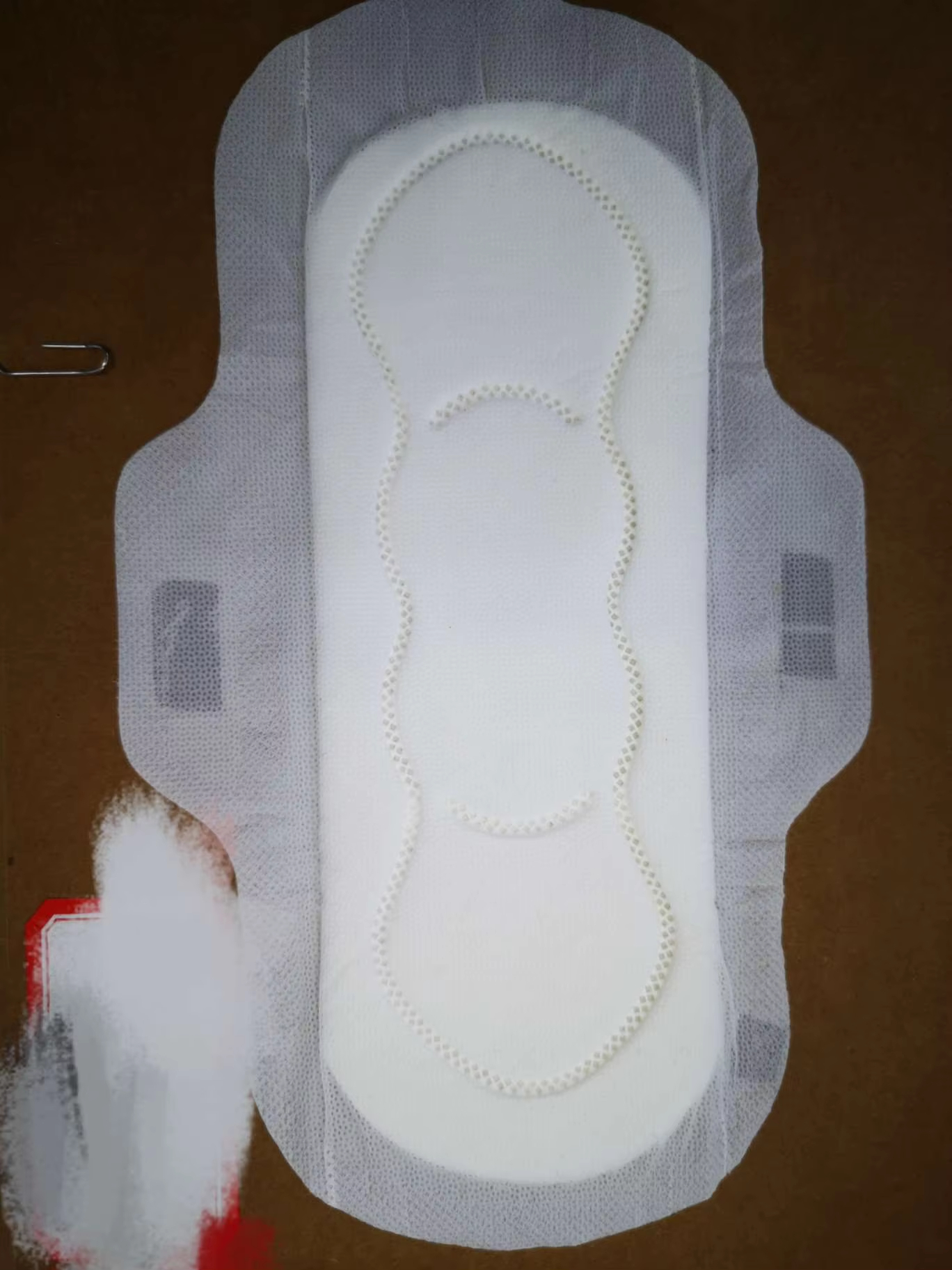
Market Context and Business Opportunity
Indonesia, with a population exceeding 275 million and a female population of approximately 137 million, represents one of the world's largest addressable markets for feminine hygiene products. Historically, the market was dominated by multinational brands — primarily Procter & Gamble (Whisper), Kao (Laurier), and Unicharm (Charm) — with imported or locally manufactured products.
The manufacturer in this case study identified an opportunity in the mid-tier market segment: quality pads at a price point 20-30% below multinational brands, targeted at consumers in Indonesia's secondary cities and rural areas where price sensitivity was higher and multinational brand distribution was less established. The strategy was to manufacture domestically using automated production equipment, avoid the brand premium and import costs of multinational products, and compete on value.
The initial business plan called for a production capacity of 500,000 pads per day — approximately 15 million pads per month — to serve an initial distribution network of 2,000 retail points across Java and Sumatra.
Equipment Selection Process
The manufacturer evaluated production line options from suppliers in China, Taiwan, and South Korea. The evaluation criteria, weighted by priority, were:
- Technology suitability: Ultrasonic vs glue-based bonding — 25%
- Output capacity: Sustained pads-per-minute rate — 25%
- Total cost of ownership: Machine price + shipping + installation + consumables — 20%
- Supplier manufacturing capability: Factory-direct vs trading company — 15%
- After-sales support: Installation, training, spare parts — 15%
Changpu's proposal scored highest on the weighted evaluation, driven by four factors:
Ultrasonic Bonding Technology: The manufacturer had specifically decided against glue-based production based on three considerations: the ongoing cost of hot-melt adhesive, the operational complexity of maintaining a hot-melt system, and the market preference in Indonesia for pads with a softer feel that ultrasonic bonding delivers. Changpu's fully automatic ultrasonic sanitary napkin production line matched this technology requirement precisely.
Factory-Direct Supply: The manufacturer's procurement team conducted a video factory tour of Changpu's 20,000-square-meter facility in Changzhou. The tour verified in-house CNC machining, a dedicated sanitary napkin line assembly area, and QC testing with actual production trials. This verification gave confidence that the equipment was manufactured, not brokered.
CE Certification: While Indonesia does not require CE marking, the manufacturer viewed CE certification as a proxy for quality management maturity — a signal that the supplier operated within a structured quality framework rather than an ad-hoc workshop environment.
Commercial Flexibility: Changpu's willingness to accept a single-unit trial order with payment by T/T, and the offer to provide remote video-guided installation support rather than requiring an expensive on-site technician visit, made the initial commitment manageable for a first-time equipment buyer.
Production Line Configuration
The line ordered was a fully automatic sanitary napkin production line with folding module, configured as follows:
- Sealing Technology: Ultrasonic (20 kHz), eliminating adhesive consumption
- Rated Output: 250 pads per minute (sustained)
- Pad Size Range: 240-290 mm length × 155-165 mm width (adjustable)
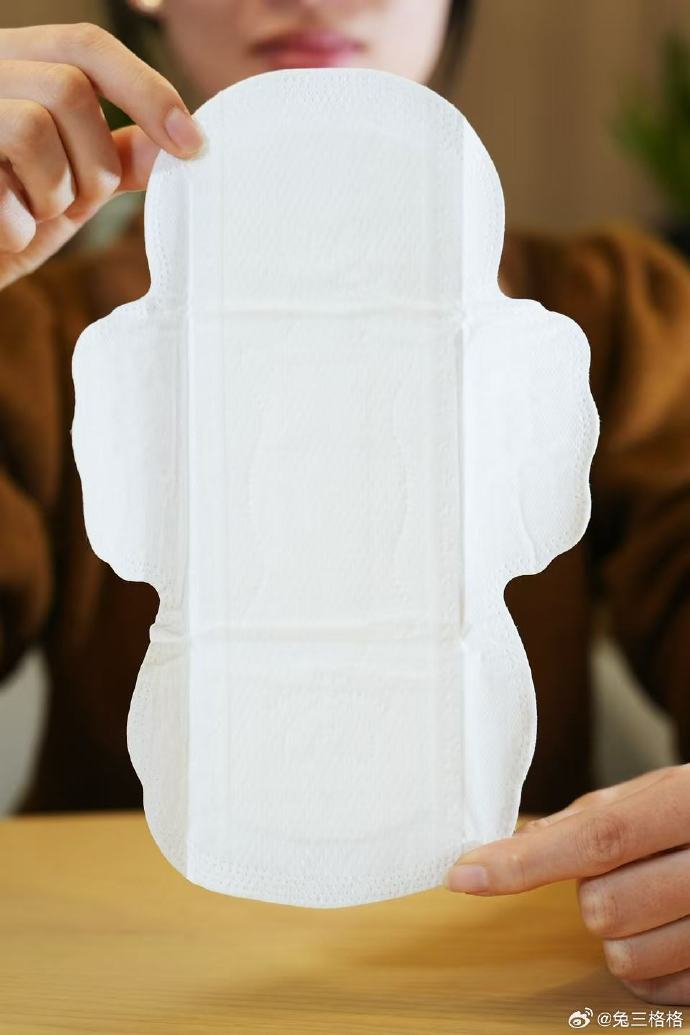
- Material Configuration: Non-woven top sheet (25 GSM), fluff pulp + SAP absorbent core, PE back sheet, silicone release paper, PE packaging film
- Line Modules: Unwinding → Core forming → Ultrasonic sealing → Cutting → Individual folding → Individual PE wrapping → Automatic counting and stacking
- HMI Language: English (with Bahasa Indonesia option available for future orders)
- Power Configuration: 380V / 50Hz / 3-phase (matching Indonesian industrial power standard)
The line was priced at USD 32,000 FOB Shanghai, with sea freight to Jakarta adding approximately USD 2,800 (40-foot container sharing space with supplementary equipment and initial raw material stock). Import duty and local transportation added approximately USD 4,500. Total landed cost: approximately USD 39,300.
Installation and Ramp-Up
Installation was conducted under Changpu's remote guidance protocol. The manufacturer's engineering team handled mechanical installation — positioning, leveling, utility connections — following Changpu's detailed installation manual with photographs and step-by-step instructions. The ultrasonic generator setup, transducer calibration, and control system configuration were guided through a series of video calls with Changpu's technical team.
The ramp-up from commissioning to full production followed a planned curve:
Week 1: Mechanical installation and utility connections completed. Initial power-on and system checks conducted. Several material feeding alignment issues identified and corrected — the 25 GSM top sheet material was slightly narrower than the machine's default setting, requiring guide rail adjustment.
Week 2: Low-speed production trials at 80-100 ppm to validate material flow, ultrasonic bond quality, and folding accuracy. Pad samples were tested for dimensional accuracy, seal integrity, and absorbency. Adjustments to ultrasonic amplitude and roller pressure were made to optimize bond consistency for the specific material combination.
Week 3: Speed increased to 180 ppm. Production of saleable pads began, with output used for packaging trials, distribution sample production, and retail buyer presentations. Operator training continued, building proficiency in recipe management, fault diagnosis, and routine maintenance.
Week 4: Full-speed operation at 250 ppm achieved. The line produced 120,000 pads over a single 8-hour shift (250 ppm × 60 min × 8 hr = 120,000, less approximately 5% for material changes and minor stoppages).
Month 2: Two-shift operation initiated, producing approximately 500,000 pads per day — achieving the business plan's target capacity within 60 days of machine delivery.
Production Performance Data
After six months of two-shift operation, the manufacturer shared the following performance data:
|
KPI |
Target |
Actual |
Status |
|
Sustained output |
250 ppm |
245-255 ppm |
On target |
|
Daily production (2 shifts) |
500,000 pads |
490,000-510,000 |
On target |
|
Material waste rate |
<2% |
1.6% |
Above target |
|
Machine uptime |
>92% |
94.3% |
Above target |
|
Pad dimensional accuracy |
±2 mm |
±0.8 mm |
Above target |
|
Seal integrity |
100% pass |
99.7% pass |
Below target (under investigation) |
|
Operator count per shift |
3 |
2 |
Above target (lower is better) |
The one metric below target — seal integrity at 99.7% versus 100% — was traced to occasional ultrasonic amplitude fluctuation during the first 30 seconds after a production restart following a material roll change. Changpu's technical team provided a generator firmware update that addressed the amplitude stabilization timing, resolving the issue within two weeks of identification.
Financial Analysis
The manufacturer's financial analysis of the production line investment showed:
Capital Cost (Landed): USD 39,300
Monthly Operating Cost (2 shifts, 500,000 pads/day, 26 days/month):
- Raw materials (non-woven, pulp, SAP, PE film, release paper, packaging): USD 0.032/pad × 13M pads/month = USD 416,000
- Electricity: USD 2,800/month
- Labor (6 operators across 2 shifts): USD 3,600/month
- Spare parts and maintenance: USD 800/month
- No adhesive cost (ultrasonic bonding)
Monthly Revenue (wholesale): USD 0.055/pad × 13M pads/month = USD 715,000
Monthly Gross Margin: USD 715,000 - (416,000 + 2,800 + 3,600 + 800) = USD 291,800
Line Payback: The production line's USD 39,300 capital cost was recovered in approximately 5 days of full production — an almost instant payback that reflected the high-volume, moderate-margin economics of the hygiene products industry.
The manufacturer's strategic success — capturing mid-tier market share — was evidenced by the fact that within 12 months, they ordered a second identical production line from Changpu to double capacity and expand distribution to additional Indonesian islands.
Key Takeaways for B2B Buyers
For other buyers considering a Changpu sanitary napkin production line case study Southeast Asia model, the key lessons from this deployment include:
- Video factory verification works: The manufacturer's procurement team gained sufficient confidence through a detailed video factory tour to proceed without an in-person visit. This saved travel cost and accelerated the decision timeline.
- Remote installation support is viable: Changpu's remote guidance protocol — detailed installation manual plus scheduled video calls — proved effective for a buyer with competent in-house engineering staff. The buyer avoided the cost of an on-site technician visit without compromising installation quality.
- The ramp-up curve is predictable: The four-week ramp-up from installation to full-speed production followed a predictable pattern. Buyers should build this ramp-up period into their production planning and not expect full output on day one.
- Ultrasonic bonding's cost advantage is real: Eliminating hot-melt adhesive from the production process removed both a direct consumable cost and the operational overhead of hot-melt system management — warm-up time, temperature control, nozzle cleaning, and adhesive inventory.
- Recipe-based operation reduces skill dependency: The HMI recipe system allowed the manufacturer to store optimal parameters for each pad configuration, making operator training faster and reducing the variability associated with manual adjustments.
Conclusion
This case study of an ultrasonic sanitary pad manufacturing equipment factory China deployment in Indonesia demonstrates that a well-specified production line from a factory-direct supplier can deliver rapid capacity scaling, predictable performance, and compelling financial returns. The manufacturer achieved their 500,000 pad-per-day target within 60 days of machine delivery, recovered the equipment investment within the first week of full production, and expanded to a second line within 12 months.
For B2B buyers in Southeast Asia and other emerging hygiene markets, the Jiangsu Changpu hygiene product machinery export solution offers a path to competitive domestic manufacturing — combining the technology advantages of ultrasonic bonding with the cost advantages of factory-direct sourcing and the operational support of remote installation and training.